
Fleet performance is decided long before the vehicle leaves the fleet
Discover how lifecycle intelligence helps fleet and leasing companies improve uptime, manage costs and protect long-term vehicle value.



For a company managing a large fleet of delivery vehicles, traditional KPIs might track breakdowns or maintenance costs. But predictive models analyze maintenance records, repair history, and performance data, allowing them to forecast optimal maintenance intervals and suggest preemptive part replacements. By analyzing patterns in vehicle performance data, manufacturers and mobility players can identify the most common causes of breakdowns and forecast when these issues are likely to occur, meaning they can schedule maintenance before problems arise. This proactive approach not only improves operational efficiency but also extends the lifespan of the fleet while reducing downtime and lowering maintenance costs.

Optimizing dealer networks is another area where predictive models excel. Traditional methods might consider geographic coverage and sales data. However, predictive models incorporate variables like demographic data, buying habits, and local competition. They can consider factors such as income levels, commuting patterns, and competitor locations to simulate various scenarios and recommend the best locations for new dealerships, maximizing market coverage and sales potential. This strategic placement ensures that dealerships are positioned to capture the maximum market share and serve the highest number of potential customers.

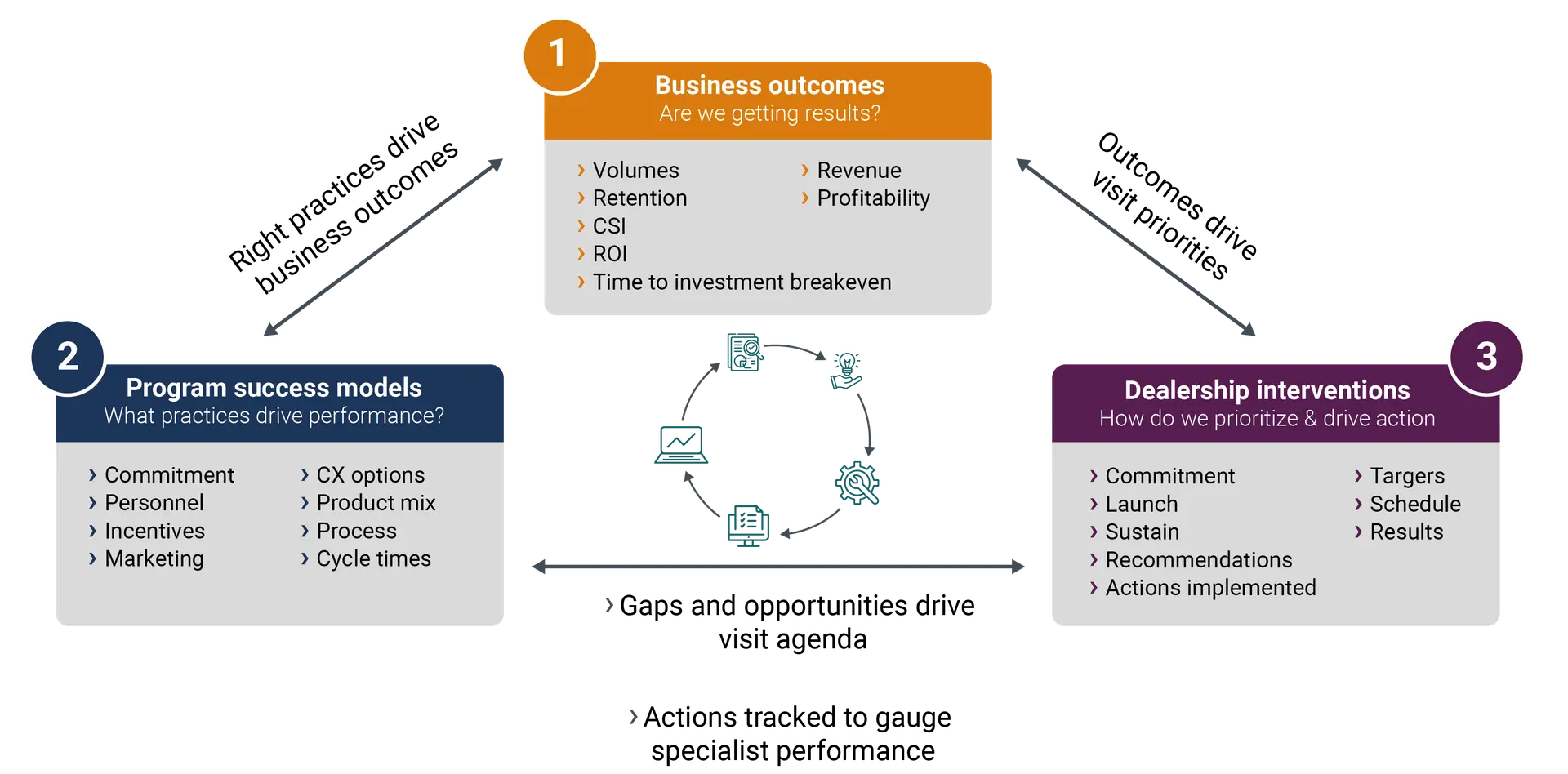
With a multitude of field consultants, coaches, and specialists visiting and supporting dealerships across the globe, MSX allows for a bi-directional interaction where we collect data and provide support where and when it is necessary. In most cases, support is provided in the form of an action plan for implementation by dealership personnel. After years of offering support and analyzing operational and financial data, we have developed a success model that clearly links actions to desired outcomes. We can identify the actions needed to improve specific KPIs and create scalable, tailored plans for our customer’s network. This is only possible by combining field-collected data with the operational and financial data provided by our customers. Our approach integrates advanced data science models and proven human expertise, offering a unique optimization strategy that includes perspectives and dimensions often overlooked by customers.


Discover how lifecycle intelligence helps fleet and leasing companies improve uptime, manage costs and protect long-term vehicle value.

Profit is won across the vehicle lifecycle through smarter operations, stronger service, and better customer engagement.

MSX Lifecycle Optimization uses data and analytics to help you reduce fleet downtime, stabilize costs, and extend asset life.

Data-driven field operations turn insights into measurable actions, enabling OEMs to improve performance, customer satisfaction, and competitive advantage.

The workshop is where loyalty is won or lost. See how closing process gaps improves first-time fix rates, cycle times, and customer confidence.

Even advanced diagnostics have limits. See why skilled field service engineers remain critical when complex issues impact trust and brand reputation.