
Fleet performance is decided long before the vehicle leaves the fleet
Discover how lifecycle intelligence helps fleet and leasing companies improve uptime, manage costs and protect long-term vehicle value.
In today’s mobility landscape, where vehicles are more connected, electrified, and expensive than ever, the traditional “use and replace” model is no longer sustainable. The real opportunity lies not in building more vehicles, but in using the ones we already have more intelligently. Lifecycle optimization is emerging as a strategic imperative for businesses seeking to balance profitability with environmental responsibility.
Fleet operators, OEMs, and mobility providers face mounting pressure on multiple fronts. Electrification is reshaping vehicle design and maintenance. Residual value volatility is complicating asset planning. And sustainability targets are tightening under regulatory and consumer scrutiny.
Yet many organizations still rely on outdated lifecycle strategies; reactive maintenance, arbitrary disposal timelines, and fragmented data systems. This not only drives up total cost of ownership (TCO), but also leads to premature scrapping, unnecessary part replacements, and missed opportunities for reuse and resale.
To thrive in this new era, mobility players need a smarter approach, one that integrates real-time data, predictive analytics, and sustainability metrics across the entire vehicle lifecycle.
At MSX, we help businesses unlock more from every vehicle. Our Integrated Vehicle Health Management (IVHM) solution combines predictive analytics, component-level tracking, and deep automotive expertise to deliver smarter, more sustainable lifecycle strategies.
From reducing emergency repairs to enabling second-life programs, IVHM empowers you to move from reactive decisions to strategic ones, maximizing value while minimizing environmental impact.

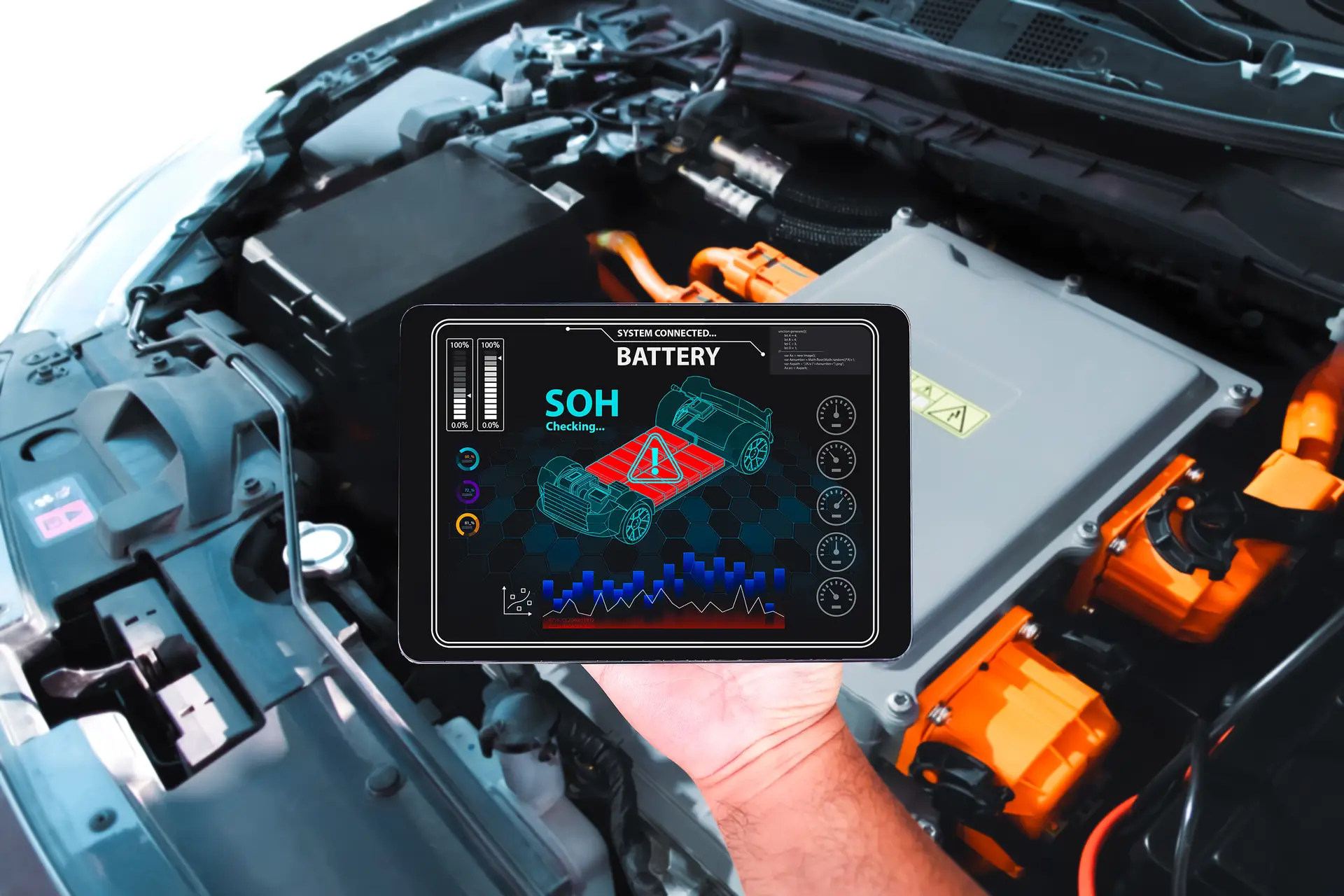
Our IVHM system uses in-vehicle sensors and telematics to monitor performance and flag anomalies before they become breakdowns. This shift from reactive to predictive maintenance reduces downtime, extends vehicle life, and lowers operational costs.

Knowing when to let go of a vehicle is just as important as knowing how to maintain it. Our data-backed model can forecast the optimal moment to retire a vehicle before repair costs outweigh value, but while the asset still holds quality for resale or reuse.

Vehicles that are well maintained and strategically retired are ideal candidates for second-life programs. Whether remarketed, leased, or repurposed, these assets support a more inclusive, circular economy that reduces waste and maximizes resource efficiency.
We combine deep automotive expertise with cutting-edge technology to help clients unlock more from every vehicle. In addition to our IVHM solution, our lifecycle optimization framework also includes:
This approach transforms lifecycle management from a cost center into a growth driver delivering higher uptime, lower TCO, and stronger environmental performance.
Lifecycle optimization delivers measurable impact across multiple business areas; operationally, financially, and environmentally. It’s not just a technical upgrade. It’s a strategic capability that drives real results.
Boosts uptime, enables smarter scheduling, and reduces emergency repairs.
Lowers total cost of ownership, improves asset return, and reduces capital expenditure.
Cuts emissions, minimizes waste, and extends the useful life of every vehicle.
By retiring vehicles at the right moment, we ensure residual value remains strong, and we pave the way for a reliable second life.
The shift from “use and replace” to “use, preserve, and pass on” is a business model for the future. As the global transition to sustainable mobility accelerates, those who embrace data-led lifecycle strategies will lead, not follow.
Contact us today and discover more about how MSX can transform your fleet or OEM program.

Discover how lifecycle intelligence helps fleet and leasing companies improve uptime, manage costs and protect long-term vehicle value.

Profit is won across the vehicle lifecycle through smarter operations, stronger service, and better customer engagement.

Data-driven field operations turn insights into measurable actions, enabling OEMs to improve performance, customer satisfaction, and competitive advantage.

Discover how data collection and AI are reshaping automotive services-unlocking smarter insights and driving real-world impact beyond the numbers.

Causal modelling helps dealers move from insight to action. See how MSX uses KPI-led methods to drive measurable retail results.

Contour uses real-time data to deliver clear insights, helping businesses make faster decisions, stay competitive, and achieve lasting success.